

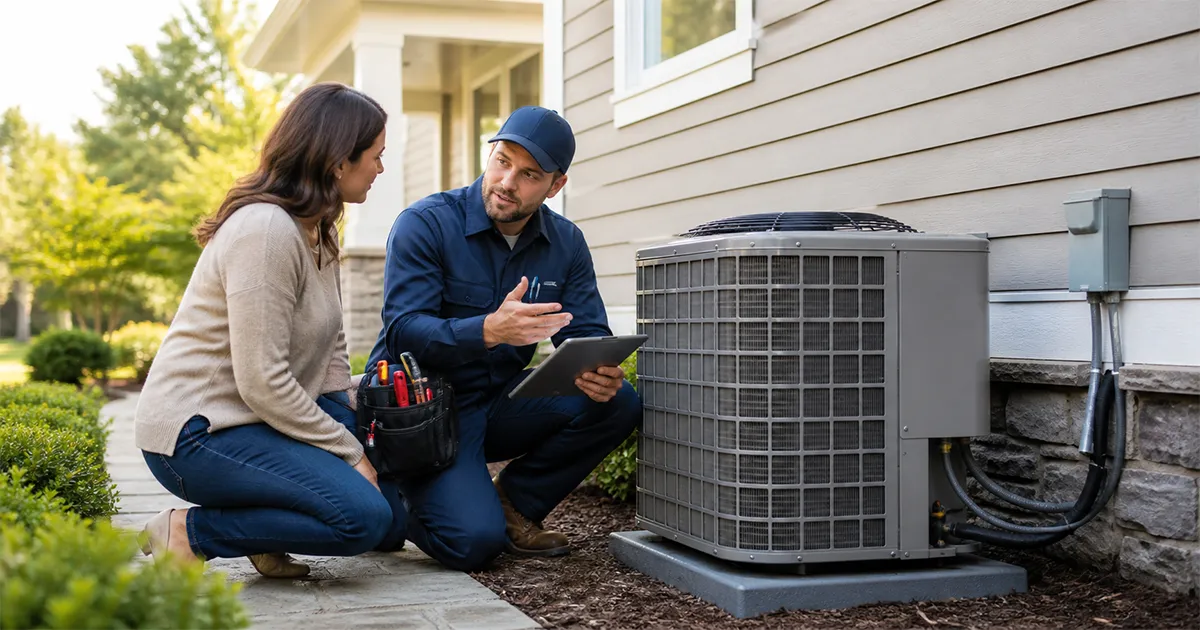
Choosing between another HVAC repair and a full system replacement is one of those decisions that feels bigger than it probably should, except it is. Get it wrong and you are either throwing money at a system that is on its last legs, or replacing equipment that had years of reliable service left in it.
There is no universal right answer. But there are patterns, and once you know what to look for, the decision gets a lot clearer.
Why This Decision Feels Different in 2026
Energy costs are not going anywhere, and the gap between what older equipment consumes and what newer systems are built to do has widened. Updated efficiency standards, including SEER2 ratings for air conditioners and heat pumps, have raised the bar on what "efficient" actually means. A unit installed 12 or 15 years ago may still run, but running and running well are two different things.
A lot of systems put in during the mid-2000s to early 2010s are hitting that age range where the math starts shifting. Parts are harder to source, refrigerant compatibility becomes a concern, and the repair bills start arriving more frequently. Meanwhile, newer equipment offers variable-speed operation, quieter performance, smarter thermostat integration, and better humidity control. Many of these features simply were not standard a decade ago.
None of that means every older system needs to go. It just means the question is worth asking honestly.
Signs Your System Might Be Done
Age is the starting point. Most central air conditioners and furnaces have a useful life of 10 to 15 years, with well-maintained units sometimes pushing closer to 20. Heat pumps tend to wear faster because they handle heating and cooling year-round.
Once a system crosses that 10-to-15-year threshold and starts showing other symptoms, replacement becomes worth taking seriously. Watch for these:
- Repair calls more than once in a single season
- Energy bills that keep climbing, even when usage has not changed
- Rooms that never seem to reach the right temperature
- Weak airflow, poor humidity control, or constant cycling
- Unusual noises or odors coming from the equipment
- A failed compressor, heat exchanger, evaporator coil, or blower motor
That last category matters a lot. Major component failures on aging equipment often cost more to fix than the remaining value of the system justifies. If the system also uses an outdated refrigerant, sourcing parts and service will only get harder and more expensive over time.
The Cost Question
Sticker shock on a full replacement is real. A new system is a significant expense, and it is tempting to keep patching the old one. But repair bills compound. Two or three service calls in a single year can add up to a substantial portion of what a replacement would cost, with nothing to show for it but a system that still has one foot out the door.
A common rule of thumb is simple: if a repair costs more than half the price of a comparable new system, replacement usually wins on long-term value. That is not a hard rule, but it is a useful gut check.
Smaller repairs tell a different story. A bad capacitor, a clogged drain line, a worn belt, or a faulty thermostat do not automatically mean the system is finished. If the equipment is newer, has a solid maintenance history, and this is an isolated issue, fixing it is often the sensible call.
The full picture matters. Look at the current repair cost, recent service history, energy usage trends, warranty status, and whether comfort has been consistent. One affordable fix on a five-year-old system is very different from the fourth repair in two years on a 14-year-old unit.
Also worth knowing: federal tax credits, manufacturer rebates, and financing options have made new systems more accessible than many homeowners expect. Planning ahead, rather than replacing in a panic during a heat wave, gives you time to compare equipment, review incentives, and make a decision you feel confident about.
What a New System Actually Gets You
Beyond fewer breakdowns, modern HVAC equipment brings real day-to-day improvements. Variable-speed and two-stage systems do not just blast on at full power and cut off. They adjust output to match what the home actually needs at any given moment. That translates to steadier temperatures, better humidity management, and a noticeably quieter home.
Smart thermostat compatibility opens up better scheduling, remote access, and usage tracking that older systems simply cannot support. Many newer units also work with enhanced filtration and ventilation options, which matters for households that prioritize indoor air quality.
From a home value standpoint, a newer HVAC system is something buyers notice. It signals that one of the home’s most expensive systems will not need attention anytime soon, and that carries real weight in a transaction.
When Repair Makes Sense
Repair is usually the right move when the system is less than 10 years old, has been maintained regularly, and the issue is minor and isolated. A system with a clean service history, stable energy bills, and reliable comfort does not need to be replaced because one component failed.
Warranty coverage can reinforce that decision. If parts are still covered and the system has been dependable, repair extends its useful life at a fraction of the replacement cost.
A good HVAC contractor like A/C Rescue will tell you when repair is enough. If someone is pushing replacement on a system that has solid years left in it, get a second opinion.
When Replacement Makes More Sense
Replacement tends to win when the system is old, inefficient, unreliable, and the repairs are no longer minor. Patching an aging system can buy a season, but it rarely buys much more than that.
Homeowners planning to stay in the house long-term often see the clearest benefit. Better comfort, lower operating costs, fewer emergency service calls, and quieter operation add up over years of ownership. A new system also reduces the risk of losing heating or cooling during a stretch of extreme weather, when we are busiest and scheduling gets tight.
For homeowners thinking about selling, newer equipment is a legitimate selling point. Buyers in most markets pay attention to how old the HVAC system is, especially in climates where heating and cooling do heavy seasonal work.
A Note on Budgeting
Replacement cost varies based on system type, home size, efficiency level, ductwork condition, and installation specifics. A higher-efficiency unit costs more upfront but can reduce monthly energy costs enough to offset that difference over time. The cheapest option is not always the best value, and neither is the most expensive. Sizing, installation quality, and ductwork condition matter just as much as the equipment itself.
Homes in areas with cold winters and humid summers have specific demands. Older homes may have added square footage over the years, aging ductwork, or insulation gaps that affect how a new system performs. A professional assessment can identify whether equipment replacement alone solves the problem or whether ductwork and other improvements belong in the plan.
Final Thoughts
The right call depends on too many variables to make from the outside. Our trained and certified technicians will evaluate the indoor and outdoor equipment, test electrical components, check refrigerant levels, inspect airflow and drainage, and assess whether a problem is isolated or part of a larger pattern of decline.
If you are weighing repair against replacement and want a clear picture of where your system actually stands, schedule an inspection. An honest evaluation, with repair and replacement options laid out clearly, makes the decision a lot less stressful.
Contact us today at (972) 278-6800 to schedule an inspection, get a repair estimate, or talk through your replacement options. We will give you a straight answer.